Walk through any busy fabrication shop, warehouse, or assembly unit in Gujarat, and you will probably spot a crane running quietly along the roof. No one pays it much attention until it stops working. Then everything stops with it.
That is why choosing the right overhead crane matters more than most buyers expect. For light to medium-duty work, the single girder EOT crane is the option most plant managers end up with, and there are good reasons for it. If you are comparing options or speaking to a single girder EOT crane manufacturer in Ahmedabad, this guide explains what these cranes do well, where they save money, and how to decide if one suits your shop floor.
What Is a Single Girder EOT Crane?
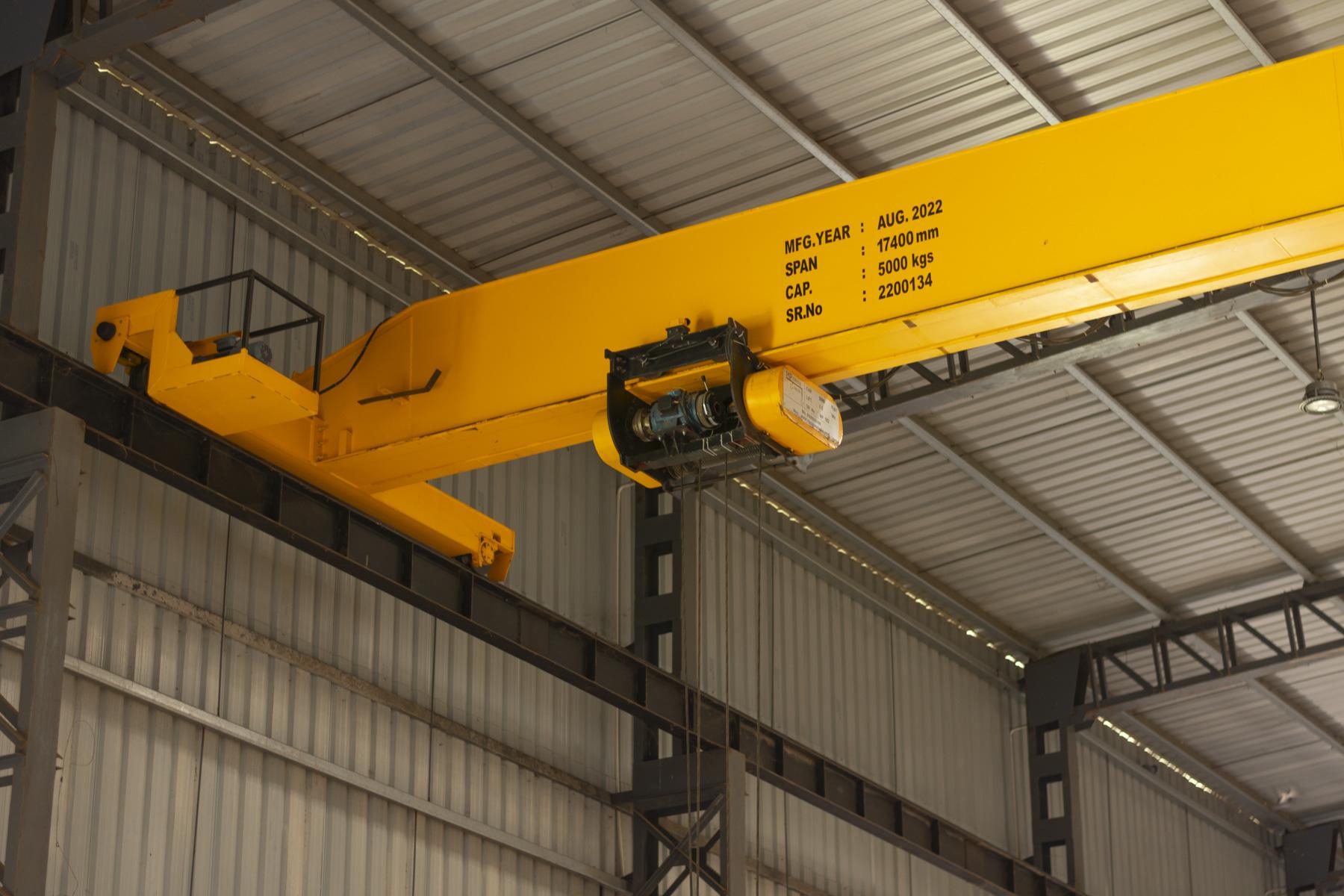
An EOT (Electric Overhead Travelling) crane moves loads across a workshop along two elevated runways. In a single girder design, one main beam spans the bay, and a hoist travels along the lower flange of that beam. The beam rides on end carriages, which run on rails fixed to your building’s columns or gantry structure.
It sounds simple because it is. And that simplicity is exactly where most of its advantages come from. These cranes are typically used for loads from around 1 to 20 tonnes, which covers the majority of everyday industrial lifting.
Efficiency: More Lifts, Less Waiting
Faster, smoother movement. A single girder crane is lighter than a double girder crane of similar span, so it accelerates and stops with less strain. Operators can position loads with more control, which cuts down on swinging and re-adjusting.
Less floor congestion. Anything you lift overhead is one less thing blocking your walkways. Forklifts and trolleys have to share space with people, stock and machinery. A crane frees the floor so that material can move above all of it.
Lower headroom needs. With the hoist running beneath the girder, the design makes good use of the available height. This helps in older buildings where the roof isn’t very high, and you can’t raise the structure easily.
Simple maintenance. Fewer parts means fewer things to inspect, lubricate, and replace. A well-built crane needs routine checks on the hoist brakes, wire rope, limit switches, and wheels, and that is manageable for most in-house maintenance teams. Less downtime means more productive hours.
Versatility: One Crane, Many Jobs
Single girder cranes adapt easily to different working conditions, which is why you see them across so many industries.
Where they are commonly used:
- Fabrication and machine shops
- Automobile and auto-component units
- Warehouses and logistics facilities
- Textile, chemical and packaging plants
- Small foundries and assembly lines
Hoist options. You can pair the girder with a wire rope hoist for higher capacities and heavier duty cycles, or a chain hoist for lighter tasks. The right choice depends on how often you lift and how heavy the loads are.
Control options. Operators can work from a pendant control hanging below, or use a wireless remote so they can stand clear of the load and see it properly. Variable frequency drives (VFDs) add smooth, stepless speed control, which is helpful when handling delicate or awkward items.
Custom spans and capacities. No two buildings are the same. A good manufacturer designs the crane around your bay width, lifting height, and runway layout, rather than forcing you into a standard size. This customisation is one of the biggest reasons buyers prefer working with a local manufacturer over ordering off a catalogue.
Cost-Effectiveness: Lower Spend, Longer Value
Budget is usually the deciding factor, and this is where the single girder design truly stands out.
Lower purchase price. With one girder instead of two, there is less steel, fewer fabrication hours, and simpler assembly. The upfront cost is noticeably lower than that of a comparable double girder crane.
Lighter load on your building. Because the crane itself weighs less, it puts less stress on the columns and runway beams. In many cases, you can install it without major structural strengthening, and that saving can be significant, especially in existing buildings.
Cheaper installation. Lighter components are easier to transport, lift into position and commission. That means shorter installation time, less site disruption and lower labour cost.
Lower running cost. A lighter structure often uses less power. Combined with simpler upkeep and easier spare part availability, the total cost of ownership stays low across the crane’s working life.
When a Single Girder Crane Is Not the Right Choice
It is worth being honest here. If your operation involves very heavy loads, continuous 24×7 duty, extra-long spans, or the need for maximum hook height, a double girder crane will serve you better. Trying to stretch a single girder crane beyond its design limits saves money on day one and costs far more later, in wear, repairs, and safety risk.
The rule of thumb is simple: match the crane to the real duty cycle, not the ideal one.
How to Choose the Right Manufacturer or Supplier
The crane is only as good as the people behind it. Whether you are shortlisting a single girder EOT crane supplier in Ahmedabad or comparing manufacturers across Gujarat, ask these questions before you commit:
- Do they manufacture in-house? Direct manufacturers control quality and can modify designs quickly.
- Do they follow recognised standards? Ask about design norms such as IS 3177 and what quality checks are done before dispatch.
- Will they visit your site? A proper site assessment of the building, rails, and power supply prevents costly surprises.
- What is included? Look for design, installation, commissioning, and operator training in one package.
- What happens after handover? Ask about spares, service response time and annual maintenance support.
- Can you see their work? Ask for references or photos of similar installations.
A local manufacturer has a real advantage here. Site visits are quick, servicing is easy, and any problem gets fixed in days instead of weeks.
Final Thoughts
For most workshops and warehouses, a single girder EOT crane delivers the right mix of efficiency, flexibility and value. It moves loads smoothly, adapts to different industries, and keeps both purchase and running costs under control, provided it is sized properly for the job.
If you are planning a new installation or replacing an old crane, speak with an experienced single girder EOT crane manufacturer in Ahmedabad who will study your site before quoting. MP Crane India has been building lifting equipment since 2011, and handles everything from design to installation and training.
Ready to get started? Share your load capacity, span, and working height with the team, and get a solution designed around your floor, not a template.